Whether you are moving to a new place or just want to upgrade the look of your living area, the process is always exciting! As much as exciting, it is also a stressful task. You have to take many things into consideration.
Some questions that may arise include; Which colour should the walls be? What kind of sofa you want? Are the wall decorations going to be hanging low or at eye sight? The colours- will they be nudes, pastels or bright colours? What should the texture be? But don’t worry. I am here to share my experiences as well as my days long research with you!
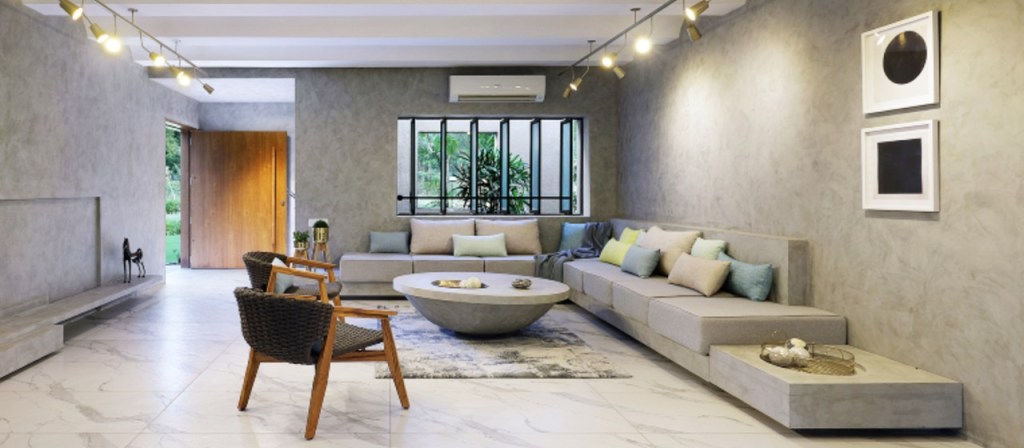
Step 1: Figure out your style
- Modern
- Contemporary
- Transitional etc.
Step 2: Plan your Budget
We are approaching the time-consuming but crucial part of planning your finances. It is critical to inform yourself of how much money you want to spend before making a decision. Furniture is expensive, so setting a budget for your room and being firm about it is essential.
Keep in mind many design companies employ professionals to assist you in making the right choice from the start. You may be able to save a lot of time and money by following their advice.
Step 3: Plan and Decorate One Room at a Time
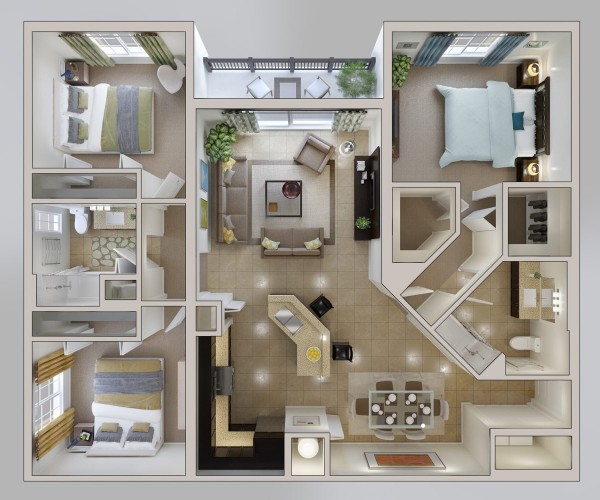
By attempting to decorate an empty new home at once, you are likely to be overwhelmed. Make a plan for each room, one at a time, and consider what’s most important to you!
Ideally, you should choose two or three rooms at a time and plan to decorate each one in turn. Starting from the rooms that you spend more time or has a high traffic would make decorating hassle free. I would suggest starting with your bedroom first and then move to the living room.
Most people don’t consider to have a layout plan beforehand. But it’s a very important step that will help you save time and money. Think of what you want to buy. Think if you have enough space in the room. If the room is small, try to limit the number of furniture. Over crowding a room will only make it harder to move around.
If your room has architectural features that might limit your use of the space, take that into consideration. A room might have enough space for a full-size seating area, but there might only be one wall where a sofa can be placed. Take the dimensions into consideration.
Step 4: Start with the Biggest Piece in the Room
Once your decorating plan has been broken down into pieces, utilize the same concept to identify the most important piece in the room.
Largest pieces are usually the most valuable and the most expensive in a room. It’s therefore important to start with that one piece and build on it. For the dining room, the centerpiece is the dining table. For your living room, choose your sofa or sectional first. In your bedroom, the bed is the most important piece in the room.
You should now have a fairly good idea of your style, so while shopping keep it true to it. You’ll have an easier time decorating the rest of your room once you have the general foundation in place.
Step 5: Choose Your Colour Palette
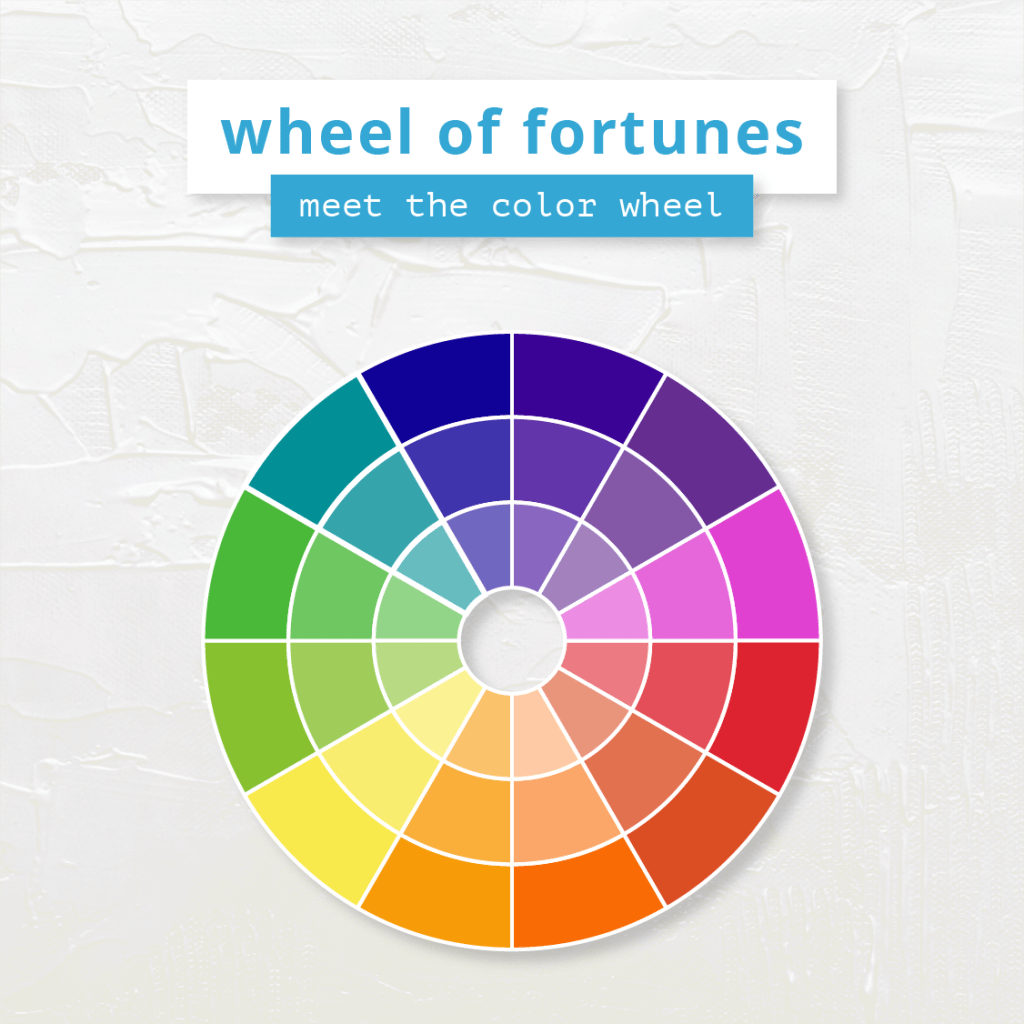
Choosing a color scheme for your space is the final step in the planning process. Your room will stand out if you have a focused color palette, regardless of whether you paint the walls.
Regardless of how you approach color, if you’re a novice, we suggest choosing a palette of about two to three light neutral tones.
Step 6: Decorate With Finishing Touches
Adding the finishing touches is also the last step that most of us look forward to. When your furniture is mostly neutral, customize your space with some thoughtful finishing touches to add color and texture. A room can be made more livable with small decor touches such as art, pillows, baskets, trays, and rugs.
You should look for finishing touches that can be changed seasonally or easily over time and regardless of where your space is located, whether it is your office or guest room. Most importantly, remember to stay true to your style. Your completed room should reflect your personal style and design aesthetic!
 Lifeology